
With warmer temperatures and summer activities in full swing, it’s important to be mindful of your skin health while spending increased time outdoors.
Simple actions such as wearing a hat, seeking shade, and applying broad-spectrum sunscreen can greatly reduce your risk of developing skin cancer.
In the United States, more than 9,500 people are diagnosed with skin cancer every day, with one in five people developing the disease by the age of 70, according to the Skin Cancer Foundation.
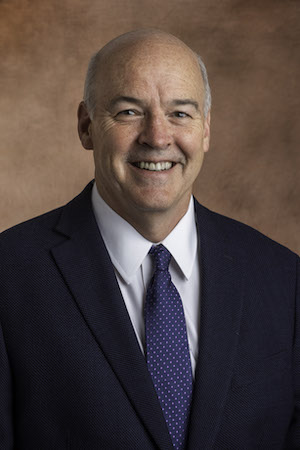
“The likelihood of skin cancer goes up not only with cumulative sun exposure, but really the number of sunburns that you experience,” said Laurence McCahill, MD, division chief of the Division of Surgical Oncology at WMU Homer Stryker M.D. School of Medicine (WMed). “People may say, ‘Oh, it’s just sunburn,’ but you're likely not going to see problems until 40, 50 years later. If you're getting all these sunburns as a 20-year-old, it might not be until age 70 when that cumulative DNA damage takes off, and then, suddenly, you get melanoma. It's hard for people to understand that you may very well pay a price many decades later.”
Dr. McCahill specializes in melanoma and other advanced skin cancers including locally advanced squamous cell and basal cell cancers, merkel cell melanoma, and other skin cancers requiring a more extensive surgical approach.
To help meet the needs of Southwest Michigan, Dr. McCahill currently offers a comprehensive melanoma and skin cancer clinic at the West Michigan Cancer Center (WMCC) for patients with biopsy-proven melanoma and other serious skin cancers requiring surgery.
“There have been tremendous changes in the treatment of skin cancer in the last five years due to clinical studies that have shown positive effects of new therapies, particularly immunotherapy,” Dr. McCahill said. “I work with my medical oncology colleagues at Bronson Healthcare and Beacon Health System to deliver therapy, sometimes for as short as six weeks, and then we perform the surgery afterwards. We've seen remarkable results for patients with advanced skin cancer such as squamous cell cancer and melanoma.”
While enjoying ample outdoor activities this summer, here are a few tips from Dr. McCahill on how to protect yourself from the sun:
- Seek shade during extended time outdoors, particularly during times of direct sunlight (10 a.m. to 4 p.m.).
- Limit/avoid use of tanning beds.
- Wear comfortable clothing that covers your arms and legs.
- Wear a hat with a wide brim to shade your face, head, ears and neck.
- Wear sunglasses that wrap around and block both UVA and UVB rays.
- Use a broad-spectrum sunscreen with a sun protection factor (SPF) of 30 or higher.